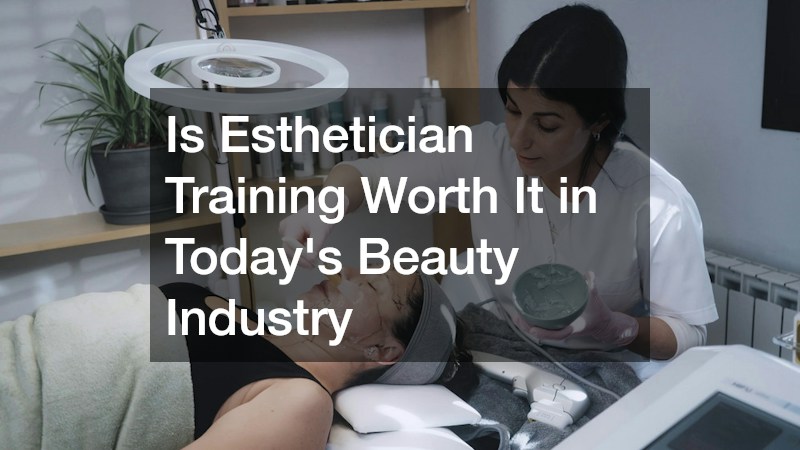

Thinking about a career in skincare, waxing, or makeup application but not sure if it pays off? The beauty industry has changed dramatically in the last decade, with social media, new treatments, and shifting consumer habits reshaping what estheticians actually do for a living. Before you commit time and money to a program, it helps to understand the real costs, earning potential, and day-to-day realities of the job.
This article breaks down what you need to know to decide if this path makes sense for you right now.
Understanding What Estheticians Actually Do Day to Day
Estheticians focus on skin health and appearance, offering services like facials, chemical peels, waxing, and sometimes microneedling or LED therapy depending on state regulations. Many work in spas or salons, but a growing number find jobs in dermatology offices, medical spas, and even on movie sets. The role has expanded well beyond basic facials as consumers increasingly ask for results-driven treatments backed by science. Understanding this broader scope matters because it affects which training programs and specialties might serve you best.
- Performing facials, exfoliation, and extractions
- Administering waxing and hair removal services
- Applying makeup for special events or photography
- Assisting with medical-grade treatments in clinical settings
- Recommending skincare products and home care routines
Weighing the Cost and Time Commitment of Licensing Programs
One of the biggest factors in deciding whether this career is right for you is the upfront investment required to get licensed. Esthetician training typically ranges from a few hundred hours to over a thousand depending on your state, and tuition can run anywhere from two thousand to fifteen thousand dollars. Many programs take between six months and a year to complete, though accelerated options exist for people who want to move faster. It is worth comparing schools carefully, since cost does not always correlate with quality of instruction or job placement support.
- Community colleges often offer lower tuition than private beauty schools
- Some states require 300 hours; others require over 1000
- Financial aid or payment plans may be available at accredited schools
- Online theory courses combined with in-person practicals are increasingly common
- Always confirm a program’s hours count toward your state’s licensing exam
Comparing Expected Income Against Real Living Costs

Salary expectations are often where people get surprised, since entry-level pay can be modest while experienced estheticians in high-end spas or medical settings earn considerably more. National averages suggest many newly licensed professionals start around minimum wage plus tips, with income climbing as they build a client base. Location matters enormously here, since someone working in a major city with affluent clientele will likely out-earn someone in a small rural town. It helps to research actual pay data in your specific area rather than relying on national averages alone.
- Entry-level pay often includes an hourly wage plus commission or tips
- Medical spas and dermatology offices tend to pay more than basic salons
- Building a loyal client base significantly boosts long-term earnings
- Self-employed estheticians keep more profit but cover their own expenses
- Specializing in niche treatments can command higher service prices
Evaluating Job Demand in Your Local Market
Before enrolling anywhere, spend time researching whether your area actually has demand for estheticians, since oversaturated markets can make it harder to land steady work. Larger metro areas generally offer more job openings and higher-paying clientele, but they also tend to have more competition among licensed professionals. Rural areas may have less competition but also fewer high-end spas or medical facilities willing to pay premium rates. Checking local job boards, talking to working estheticians, and visiting spas to ask about hiring trends can give you a realistic picture before you invest any money.
- Search local job listings for current openings and typical pay ranges
- Ask spa owners whether they are actively hiring or fully staffed
- Consider commuting distance if your town has limited opportunities
- Look into mobile or freelance esthetics as an alternative income stream
Exploring Specializations That Increase Long-Term Value
Generalist skills get you in the door, but specializing often determines how much you can eventually charge and how stable your income becomes. Acne treatment, anti-aging protocols, and medical esthetics tied to dermatology practices tend to be in higher demand than basic facials alone. Continuing education after licensing allows professionals to add certifications in areas like oncology esthetics or advanced chemical peels, both of which attract clients willing to pay more. Choosing a specialty early, even informally, can shape which mentors, employers, and further coursework you pursue.
- Acne and problem-skin specialists often retain clients longer
- Medical esthetics certifications open doors to clinical settings
- Oncology esthetics serves cancer patients with sensitive skin needs
- Advanced peel and resurfacing certifications command premium pricing
Deciding Whether This Career Fits Your Personal Goals
Beyond money and market demand, consider whether the actual daily work suits your personality and lifestyle needs. This job involves standing for long hours, physical tasks like extractions and waxing, and constant interpersonal interaction with clients who expect both technical skill and friendly conversation. Some people thrive on the creativity and client relationships, while others find the repetitive physical demands draining over time. Talking to working professionals about their typical week, and even shadowing someone for a day, can reveal whether this career matches your expectations better than any brochure or website can.
- Physical demands include standing, bending, and repetitive hand motions
- Strong interpersonal skills matter as much as technical ability
- Flexible scheduling is possible but often requires building seniority first
- Shadowing a working esthetician offers realistic insight before enrolling
Conclusion
Deciding whether this career path is worth pursuing comes down to honestly weighing the costs, local job market, and your own tolerance for the physical and social demands of the work. Take time to research schools, talk to professionals currently working in the field, and look closely at wage data specific to your region before enrolling anywhere. If the numbers and lifestyle still appeal to you after that research, you will enter the field with realistic expectations rather than guesswork. Your next step should be reaching out to a few accredited programs near you and asking detailed questions about job placement and licensing outcomes.