

Key Takeaways:
-
Comprehensive Responsibilities: General contractors manage the entire lifecycle of a construction project, overseeing everything from hiring specialized trades and pulling permits to managing budgets and enforcing job-site safety.
-
Balanced Skill Set: Long-term success relies on combining hands-on field experience with business management skills, such as precise cost estimating, project scheduling, and cash flow control.
-
Strict Legal Compliance: Operating legally requires satisfying local licensing requirements, passing business and trade exams, and maintaining adequate insurance coverage and surety bonds.
-
Strong Relationships: Building dependable networks with skilled trade partners, architects, and suppliers ensures quality work and minimizes project delays or material shortages.
-
Clear Client Communication: Maintaining open dialogue and utilizing structured change orders helps manage client expectations, prevents budget overruns, and drives repeat business through referrals.
-
Modern Operations: Adopting digital tools—like construction management, cloud scheduling, and digital takeoff software—increases operational efficiency and minimizes costly estimating errors.
Stepping into the world of residential and commercial construction as a general contractor offers an incredible mix of independence, financial opportunity, and the deep satisfaction of turning blueprints into physical reality. A general contractor (GC) acts as the quarterback of a building site. They coordinate trade specialists, negotiate material pricing, manage permits, and ensure projects cross the finish line on schedule and within budget. If you have a passion for building, strong problem-solving skills, and a ambition to run your own business, this career path can be exceptionally rewarding.
Becoming a successful GC requires far more than knowing how to swing a hammer or read a tape measure. It demands a balanced blend of hands-on field experience, sharp business acumen, mastery of local regulations, and top-tier communication abilities. This guide breaks down the essential steps to launch your career, the core skills you must master, and practical strategies to build a long-lasting, profitable contracting business.
Understanding the Role of a General Contractor

Before taking steps toward certification, it helps to understand what a general contractor actually does on a day-to-day basis. Unlike specialized subcontractors who focus on a single trade like plumbing or electrical work, a general contractor takes total responsibility for an entire construction project.
When a homeowner or business owner decides to build or remodel, they hire a general contractor to oversee the job from start to finish. The GC serves as the main point of contact, taking full responsibility for the project outcome.
-
Hiring and overseeing specialized tradespeople, such as framers, electricians, plumbers, and roofers.
-
Securing the necessary building permits, inspections, and local government approvals.
-
Purchasing and scheduling the delivery of raw materials and heavy equipment.
-
Creating detailed project schedules and tracking progress against deadlines.
-
Managing financial risk, controlling project budgets, and issuing client invoices.
-
Maintaining site safety protocols to protect workers and property.
Depending on your career goals, you might choose to focus on residential jobs like custom home builds, kitchen remodels, and room additions, or lean toward commercial projects like retail build-outs and office spaces.
Core Prerequisites and Early Career Steps
Getting into contracting does not usually happen overnight. It relies on a foundation built from practical experience, education, and legal qualifications.
Gain Hands-on Construction Experience
You cannot effectively manage building projects without knowing how construction works in the real world. Most successful general contractors spend several years working in the construction industry as labor hands, apprentice carpenters, or trade specialists. This hands-on time teaches you how materials react, how long tasks realistically take, and how different trades interact on a job site.
Pursue Relevant Education
While a college degree is not always required by law, coursework or degrees in construction management, civil engineering, architecture, or business administration can speed up your progress. Many trade schools and community colleges offer certificate programs that cover blueprint reading, cost estimating, structural design, and construction law.
Work as a Site Supervisor or Project Manager
Before applying for your full general contractor license, try to land a supervisory role like job site foreman or Assistant Project Manager. This transition allows you to move from manual labor to management tasks, such as managing crews, enforcing safety codes, and working with project schedules.
Navigating Licensing and Legal Requirements
To work as a general contractor legally, you must satisfy state, regional, and municipal requirements. Construction regulations exist to protect public safety, so local authorities hold contractors to strict standards.
Meet Licensing Criteria
Licensing laws vary considerably depending on your state or municipality. Generally, to qualify for a contractor license, you will need to:
-
Verify candidate eligibility through proof of three to five years of verifiable construction experience.
-
Pass a general building contractor examination covering construction practices, structural codes, safety laws, and plan reading.
-
Pass a business and law examination focused on contracts, tax laws, accounting, and lien laws.
-
Provide financial statements demonstrating adequate working capital or business net worth.
Secure Insurance and Surety Bonds
Operating without proper insurance exposes your business to enormous financial liabilities. To keep your business protected and comply with licensing bodies, you will need several coverage types. General liability insurance protects against property damage and personal injury claims. Workers’ compensation insurance is required by law if you hire employees, covering work-related injuries. Builder’s risk insurance protects materials and structures while work is underway. Additionally, surety bonds serve as a financial guarantee to clients that you will finish the job according to local codes and contract terms.
Register Your Business Entity
Forming a distinct legal entity protects your personal assets from business liabilities. You can register your business as a Limited Liability Company (LLC), an S-Corporation, or a C-Corporation depending on your financial structure and growth goals. You will also need to apply for a Federal Employer Identification Number (EIN) from the IRS and open dedicated business bank accounts.
Essential Skills for General Contractor Success
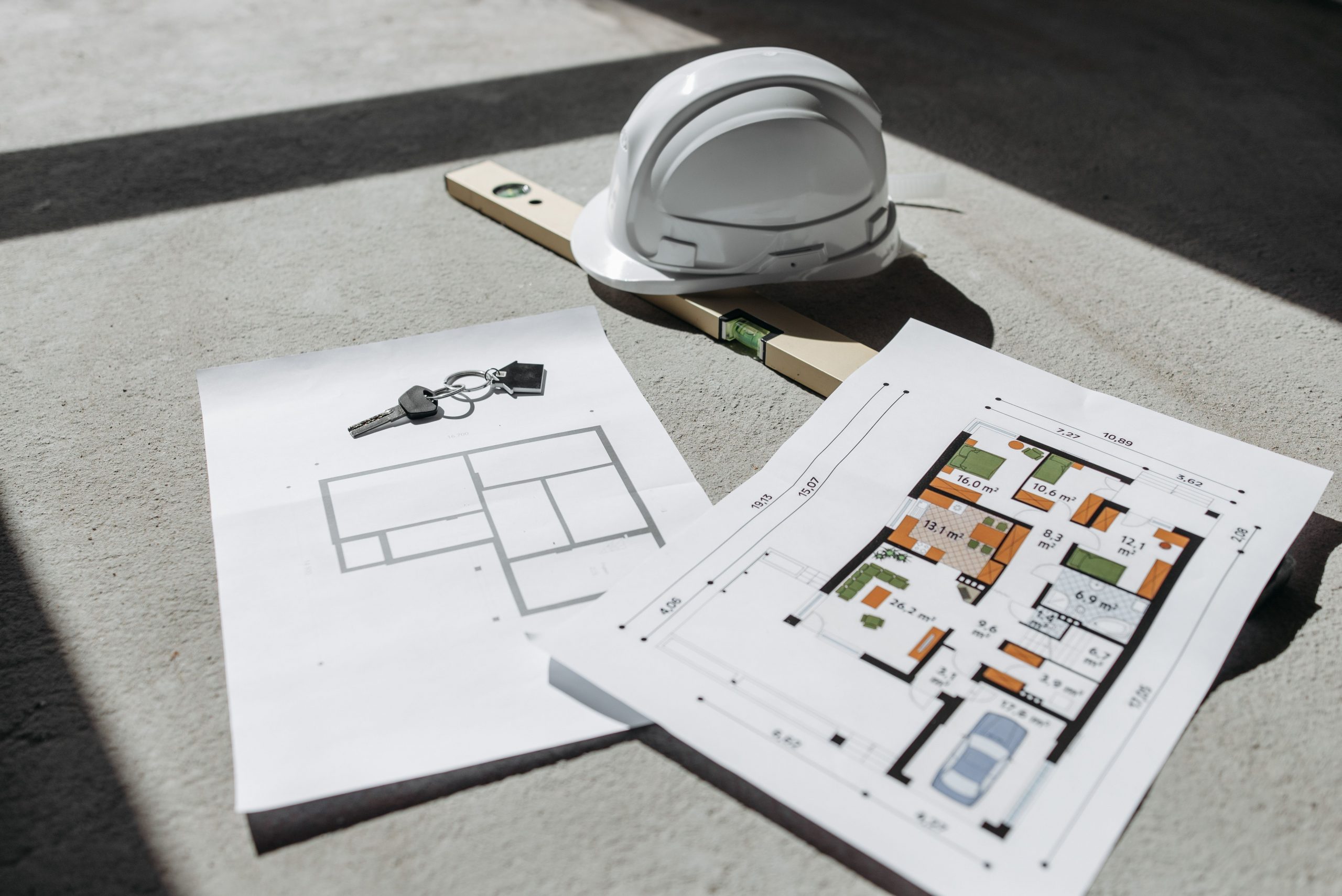
The difference between a struggling contractor and a thriving construction business owner comes down to skill mastery. Beyond structural knowledge, you need a diverse set of professional skills to keep projects profitable and clients happy.
Accurate Cost Estimating and Bidding
Estimating is part math, part science, and part experience. If you bid too high, you lose projects to competing builders. If you bid too low, you win the contract but lose money on the job.
-
Break down blueprints into concrete units of labor, materials, equipment, and subcontracts.
-
Include clear profit margins and overhead cost allocations in every bid.
-
Calculate material waste percentages accurately so you do not run short.
-
Monitor market price fluctuations for essential building materials like lumber and steel.
-
Write detailed scopes of work to prevent scope creep down the line.
Project Scheduling and Time Management
On any construction site, time translates directly into money. Delays in one trade ripple through the rest of the schedule, pushing back completion dates and inflating labor costs. Mastering scheduling tools—like Gantt charts and modern construction management software—helps you schedule trades in the correct order, plan material deliveries to avoid site clutter, and track project milestones against your baseline schedule.
Trade Partner Management
A general contractor is only as strong as the subcontractors they hire. Cultivating solid relationships with skilled plumbers, electricians, framers, and drywallers ensures quality workmanship on your job sites. Pay subtrades promptly, provide clear project directions, and schedule site work efficiently so they can work without delays. Treating subcontractors fairly turns them into reliable, long-term trade partners.
Business Finance and Cash Flow Control
Poor cash flow ruins more construction businesses than a lack of work. In construction, you often have to purchase materials and pay labor fees long before receiving progress payments from clients.
-
Establish structured payment schedules tied to clear, verifiable project milestones.
-
Maintain a cash buffer to cover payroll and overhead during temporary delays.
-
Track change orders diligently so additional work is documented, approved, and billed correctly.
-
Reconcile job costs weekly to catch budget overruns early.
Communication and Client Management
Construction projects are often stressful for property owners, especially when unexpected delays or budget adjustments occur. Clear, proactive communication builds trust and eliminates misunderstandings. Walk clients through the construction process step-by-step, set realistic expectations for project timelines, explain change orders clearly before doing work, and address client concerns promptly and professionally.
Building Your Market Presence and Winning Clients
Once your license, insurance, and administrative processes are in place, you need to attract consistent business. Establishing a reliable pipeline of projects requires active marketing and networking efforts.
If you are starting a career in residential contracting, developing a reliable network of trade partners, real estate agents, and local inspectors can quickly turn early projects into a steady stream of client referrals.
Build a Strong Online Portfolio
Modern property owners research contractors thoroughly online before reaching out for a quote. Create a professional website that highlights completed projects with high-quality photographs, client testimonials, detail on your licensing, and clear contact forms. Keep active professional profiles on social media and local business directories to improve your local online visibility.
Network with Industry Professionals
Strategic relationships are one of the best sources of quality project leads. Connect with architects, interior designers, structural engineers, and real estate agents. These professionals are among the first to learn when property owners are planning new construction or major renovation projects, placing them in a great position to recommend your services.
Leverage Word-of-Mouth Marketing
Delivering exceptional results on time and within budget is your most effective marketing tool. Happy clients will happily recommend your business to friends, family, and colleagues. Once you complete a project successfully, ask the client for a written review or permission to show prospective customers your work.
Focus on a Specific Niche
When starting, specializing in a specific project type helps you build a reputation faster than acting as a generic builder. You might focus on high-end kitchen and bath remodels, historic home restorations, custom deck additions, or green building solutions. Specializing allows you to streamline your material sourcing, optimize estimating processes, and market directly to a target audience.
Streamlining Operations with Construction Technology
The construction industry has modernized rapidly, with modern software solutions replacing paper blueprints and basic spreadsheets. Incorporating software into your daily routines saves time, reduces errors, and improves communication between your office and the field.
-
Cloud-based project management software centralizes client communications, schedules, change orders, and daily logs.
-
Digital takeoff software calculates material quantities directly from PDF blueprints, saving hours during estimating.
-
Mobile time-tracking apps allow field workers to log hours and assign labor costs to specific project tasks.
-
Accounting platforms tailored for construction handle job costing, retainage tracking, and contractor tax compliance.
Adopting digital tools early simplifies administrative tasks, giving you more time to focus on site quality and growing your business.
Overcoming Common Industry Challenges
Running a contracting company comes with a unique set of daily obstacles. Knowing how to handle these challenges helps you keep your business profitable and stress levels manageable.
Handling Unforeseen Site Conditions
Hidden structural damage, unmapped utility lines, or bad soil conditions can derail a project quickly. Always include contingency funds in project estimates and use clear change order procedures before fixing unexpected site problems.
Managing Labor Shortages
Finding reliable, skilled labor remains a top challenge in construction. Attract high-performing workers and trade specialists by offering fair pay, maintaining safe job sites, and fostering a workplace culture built on mutual respect.
Controlling Material Costs and Supply Chain Bottlenecks
Supply chain delays and volatile material costs can erode project profit margins. Reduce these risks by building relationships with multiple suppliers, ordering long-lead items well in advance, and including price escalation clauses in client contracts to cover sudden material cost jumps.
Final Thoughts
Becoming a successful general contractor requires balancing trade expertise, management skills, and sound business strategies. By building practical job-site experience, securing your licensing and insurance, mastering estimating and scheduling, and delivering great customer service, you can create a respected and profitable construction business. Stay adaptable, keep learning as industry technology evolves, and focus on delivering quality craftsmanship on every project. Over time, your commitment to professionalism will build a strong reputation and a solid foundation for long-term success in the construction industry.