
Highlights
- Preschool readiness is less about a specific age and more about a cluster of social, emotional, and communication skills.
- Comfort with brief separation from a parent or caregiver is one of the clearest early signs.
- Basic communication skills matter more than a large vocabulary or full sentences.
- Interest in playing near or with other children signals growing social readiness.
- Following simple two-step instructions shows the cognitive skills preschool classrooms rely on.
- Every child develops at a different pace, so readiness looks different from one family to the next.
What Does “Preschool Readiness” Actually Mean?
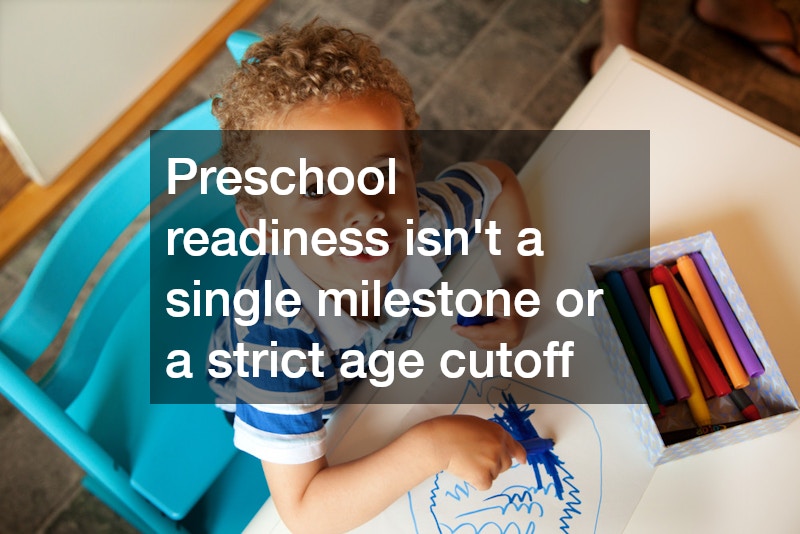
Preschool readiness isn’t a single milestone or a strict age cutoff — it’s a cluster of social, emotional, and developmental skills that make the classroom environment manageable and enjoyable for a young child. Most children start preschool somewhere between ages two and four, but the right time depends far more on individual development than on the calendar.
According to the CDC’s developmental milestone guidance, by around 30 months many children can play alongside other kids, follow simple routines, and communicate basic needs, all of which lay the groundwork for a smooth transition into a classroom setting. Parents weighing whether their child is ready for a private preschool or a public program should look at the whole picture rather than fixating on age alone.
What Social and Emotional Signs Suggest Readiness?
Social and emotional development is often the strongest predictor of how well a child adjusts to a classroom. Signs worth watching for include:
- Settling into an activity within a few minutes after saying goodbye to a parent
- Showing interest in other children, even if play is still mostly side-by-side rather than interactive
- Calming down from an upset with some support from a trusted adult
- Expressing basic wants, needs, and feelings through words or gestures
- Showing curiosity about new environments, toys, or activities
- Tolerating short periods without constant one-on-one adult attention
No child needs to check every box perfectly, since these are skills preschool itself helps strengthen over time.
How Important Are Communication Skills?
Parents often overestimate how much verbal ability a child needs before starting preschool. A large vocabulary or the ability to speak in full sentences isn’t required — what matters more is whether a child can communicate basic needs and understand simple instructions. A child heading into a private preschool classroom should generally be able to say what they want or need, even imperfectly, and understand short directions like “put the block in the bin.” The American Academy of Pediatrics notes that listening and communication skills develop at different rates for different children, and that talking with a pediatrician can help parents understand whether a child’s communication is on track for a classroom setting.
What Physical and Self-Care Skills Matter Most?
Preschool classrooms move at a pace that assumes a certain baseline of physical independence, even for younger age groups. Helpful self-care and motor skills include:
- Walking, running, and climbing with reasonable coordination
- Using a crayon, marker, or pencil with a developing grip
- Attempting to take off simple clothing items, like an open jacket
- Washing hands or attempting to feed themselves with some independence
- Showing early interest in toilet training, though full training usually isn’t a strict requirement
- Sitting through a short activity, like a story or song, without constant movement
Many private preschool programs have specific policies around toilet training, so it’s worth asking directly during enrollment conversations rather than assuming.
How Does Play With Other Children Signal Readiness?
The way a child interacts with peers offers some of the clearest clues about classroom readiness. Toddlers often start with parallel play, meaning they play near other children without much direct interaction, and that’s a completely normal and expected stage rather than a red flag. Over time, most children begin showing more interest in joining others, sharing toys with encouragement, and copying what peers are doing. According to NAEYC, socially and emotionally healthy preschoolers tend to show interest in friends, express their feelings, and gradually learn to negotiate and take turns with support from a caring teacher. These are skills a good program actively teaches, not prerequisites a child must already have mastered.
What Cognitive Milestones Support a Smooth Transition?
Cognitive readiness shows up in a child’s growing ability to follow directions, solve simple problems, and engage with early learning concepts. A child who can follow a two-step instruction, like putting a toy away and then washing their hands, is demonstrating exactly the kind of sequencing skills a classroom routine depends on. Curiosity is just as important as any specific skill: children who ask questions, enjoy exploring new materials, and engage with books or pretend play tend to adapt well to structured early learning environments. These cognitive markers don’t need to be advanced, just present in some form, since preschool classrooms are specifically designed to build on emerging rather than fully developed skills.
How Should Parents Decide When the Time Is Right?
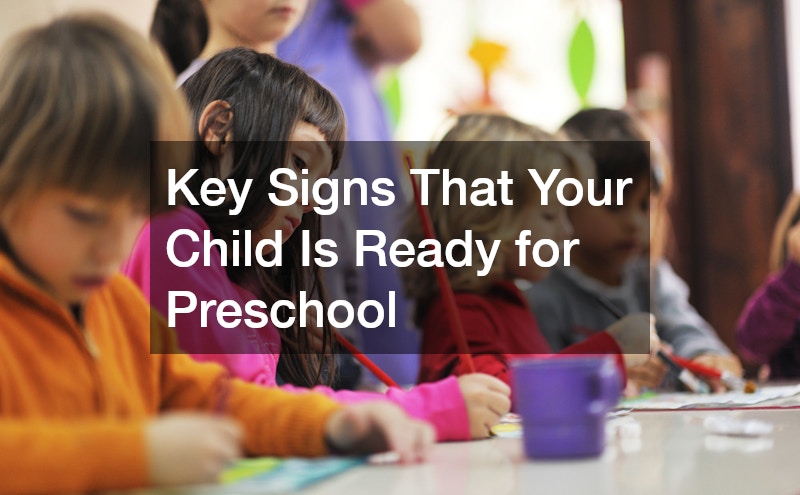
Ultimately, deciding when a child is ready for preschool comes down to observing patterns rather than checking off a single list. A child doesn’t need to master every social, emotional, physical, and cognitive skill before starting; they need to show enough foundational comfort with separation, communication, and simple routines to participate and keep growing in a classroom setting. Talking with a pediatrician, current childcare provider, or prospective preschool teacher can offer valuable outside perspective, since they often notice readiness signs parents might overlook at home. Every child develops on their own timeline, so comparing one child’s pace to another’s rarely helps. Trusting consistent observation, paired with input from trusted adults in a child’s life, gives parents the clearest and most confident answer.