
Residential contracting services represent one of the most stable and expanding career paths in the skilled trades industry. As housing development continues to grow and existing homes require ongoing maintenance, the demand for trained professionals across multiple specialties has increased significantly. These careers are not limited to hands-on construction work—they also include planning, coordination, inspection, safety compliance, and customer service.
For individuals exploring long-term career options, residential contracting offers opportunities for advancement, specialization, and entrepreneurship. Whether someone is entering the field for the first time or looking to expand existing skills, understanding how different trades connect within the industry is essential. This guide breaks down major career areas, the skills required for each, and how professionals can build sustainable careers through training and experience.
1. Foundations of Careers in Residential Contracting
Every successful career in residential contracting begins with a strong foundation in basic construction principles. Entry-level workers often start as helpers or apprentices, gaining exposure to tools, materials, and job site safety procedures. These early stages are critical for building confidence and technical understanding, as they allow individuals to learn by observing experienced professionals and gradually taking on more responsibility.
In the beginning, much of the work focuses on supporting skilled tradespeople. This may include transporting materials, preparing work areas, cleaning job sites, and assisting with simple tasks under supervision. While these duties may seem basic, they are essential for understanding how construction projects progress from start to finish. Exposure to real job sites also helps new workers become familiar with industry standards and expectations.
Key foundational skills include:
- Understanding measurement and basic math for construction layouts
- Learning proper tool handling and maintenance
- Following job site safety protocols
- Reading basic blueprints and project instructions
- Developing communication skills for team coordination
In addition to technical skills, developing a strong work ethic is equally important. Punctuality, reliability, and attention to detail are highly valued in this industry. Workers are also expected to adapt quickly to changing tasks and environments, as construction sites often shift based on project needs.
Training pathways typically include vocational programs, apprenticeships, or on-the-job training. Many professionals begin by rotating through different tasks before selecting a specialization. This stage helps individuals understand where their strengths and interests lie within the broader construction field. Over time, consistent practice and mentorship allow entry-level workers to build confidence, improve efficiency, and prepare for more advanced roles within residential contracting services.
2. Building Expertise in Exterior Protection Systems
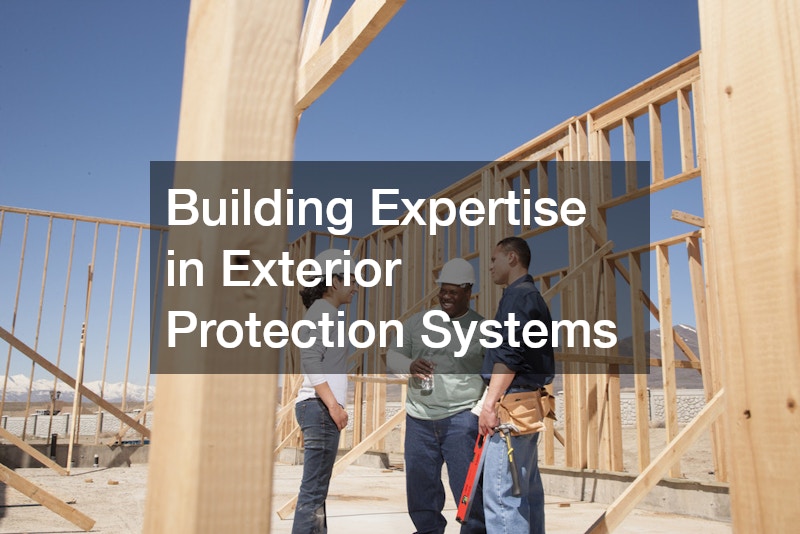
Exterior building systems are essential for protecting homes from weather damage and maintaining structural integrity. Professionals in this area focus on preventing leaks, water damage, and long-term deterioration. Because these systems are the first line of defense against rain, wind, snow, and heat, even small installation errors can lead to significant structural problems over time. This makes accuracy, consistency, and attention to detail extremely important in this career path.
Work in this category often includes roofing services and gutter contractors, both of which require precision and strong problem-solving skills. Roofing professionals must understand how different materials expand, contract, and respond to environmental conditions, while gutter specialists ensure that water is properly directed away from the home’s foundation to prevent erosion and flooding.
Key responsibilities in this area include:
- Inspecting roofs for damage or wear
- Installing and repairing shingles, tiles, and flashing
- Ensuring proper drainage through gutter systems
- Identifying weak points in exterior structures
- Performing seasonal maintenance checks
In addition to these tasks, professionals often document their findings and recommend repair or replacement strategies to homeowners or project managers. This communication helps ensure that small issues are addressed before they become costly repairs.
Actionable career development tips:
- Learn different roofing materials and their applications
- Practice safety procedures for elevated work environments
- Gain experience with water flow and drainage design
- Study weather-related damage patterns in residential areas
- Develop skills in estimating repair costs and material needs
- Stay updated on new waterproofing technologies and installation methods
Professionals who specialize in exterior systems often work closely with inspectors and general contractors to ensure full structural protection. They also coordinate with other trades to ensure that exterior work aligns with plumbing, framing, and foundation systems, creating a fully integrated and durable residential structure.
3. Developing Skills in Residential Utility Systems
Utility systems are the backbone of every residential property, ensuring access to clean water, sanitation, heating support systems, and efficient waste removal. Without properly functioning utilities, even the most well-built home cannot operate safely or comfortably. Careers in this area require strong technical skills, analytical thinking, and the ability to troubleshoot problems quickly under real-world conditions where issues often arise unexpectedly.
This field heavily involves plumbers, who are responsible for installing, maintaining, and repairing water supply lines, drainage systems, and related fixtures throughout residential properties. Their work directly impacts household health and safety, making precision and code compliance essential in every task they perform.
Core skills include:
- Diagnosing leaks and pressure issues
- Installing pipes, fixtures, and drainage systems
- Understanding water flow and system design
- Reading technical diagrams and layouts
- Ensuring compliance with building codes
In addition to these core skills, professionals must also understand how residential systems integrate with appliances such as water heaters, dishwashers, and filtration systems. This requires a broader understanding of mechanical components and system efficiency. Problem-solving is a daily requirement, as even small blockages or pressure imbalances can indicate larger underlying issues.
Practical training strategies:
- Work under licensed professionals during apprenticeships
- Practice identifying common household plumbing issues
- Learn to use diagnostic tools and testing equipment
- Study local plumbing regulations and standards
- Gain hands-on experience with both new installations and repair work
- Develop customer communication skills to explain technical issues clearly
Over time, experienced professionals also learn preventative maintenance techniques that help homeowners avoid costly repairs. This includes identifying early warning signs such as corrosion, slow drainage, or fluctuating water pressure.
This career path offers strong long-term stability due to the essential nature of water and sanitation systems. As housing demand continues to grow, skilled professionals in this field remain consistently in demand, with opportunities for specialization, business ownership, and advanced certification pathways.
4. Preparing for Site Development and Landwork Careers

Before any residential structure is built, the land must be properly prepared. This stage of construction requires precision, heavy equipment operation, and a strong commitment to safety awareness. Site development sets the foundation for everything that follows, meaning even small mistakes can affect the stability and longevity of the entire project. Proper planning and execution at this stage help prevent costly delays and structural issues later in the build.
Professionals such as excavating contractors handle this critical early phase of construction projects. Their work involves transforming raw land into a build-ready site by shaping terrain, removing obstacles, and ensuring proper grading and drainage conditions. Because this stage often involves large machinery and changing site conditions, it requires both technical skill and situational awareness.
Key responsibilities include:
- Clearing land for residential construction
- Digging foundations and trenches
- Operating heavy machinery safely
- Managing soil stability and grading
- Preparing drainage systems for future builds
In addition to these tasks, excavation professionals often collaborate with engineers and surveyors to ensure that the land meets design specifications. They may also identify potential issues such as unstable soil, underground obstructions, or water retention risks before construction begins.
Career development advice:
- Obtain equipment operation certifications
- Learn soil types and their structural impact
- Practice reading site plans and elevation maps
- Develop strong safety discipline for machinery work
- Gain experience with different types of excavation equipment such as backhoes, bulldozers, and skid steers
- Study environmental regulations related to land disturbance and erosion control
Excavation work is physically demanding but provides a strong entry point into the construction industry. It offers opportunities to build foundational knowledge of how construction projects begin, making it an essential stepping-stone for those who want to advance into higher-level contracting or supervisory roles in residential development.
5. Advancing into Project Leadership Roles
As professionals gain experience, many move into supervisory and management positions overseeing entire construction projects. These roles require coordination across multiple trades and strong organizational, financial, and decision-making skills. Unlike hands-on trade work, leadership positions focus more on planning, oversight, and ensuring that all aspects of a project align with timelines, budgets, and safety standards.
This level of responsibility is often held by general contractors, who manage schedules, budgets, subcontractor teams, and overall project execution. They act as the central point of communication between homeowners, inspectors, suppliers, and specialized trade workers, ensuring that every phase of construction is completed efficiently and correctly.
Key leadership responsibilities:
- Coordinating multiple construction teams
- Managing project timelines and deadlines
- Ensuring compliance with building regulations
- Communicating with clients and inspectors
- Overseeing quality control and inspections
In addition to these duties, general contractors are often responsible for resolving unexpected issues such as material delays, design changes, or site complications. This requires quick thinking and strong problem-solving skills to keep projects on track without compromising quality or safety.
Steps for advancement:
- Gain experience across multiple construction trades
- Develop budgeting and scheduling skills
- Improve communication and leadership abilities
- Learn contract management and documentation
- Build a strong professional network within the construction industry
- Study project management software and planning tools
This role is ideal for individuals who enjoy both technical work and organizational leadership, as it combines hands-on industry knowledge with strategic decision-making and long-term project oversight.
6. Specializing in Water Intrusion Prevention
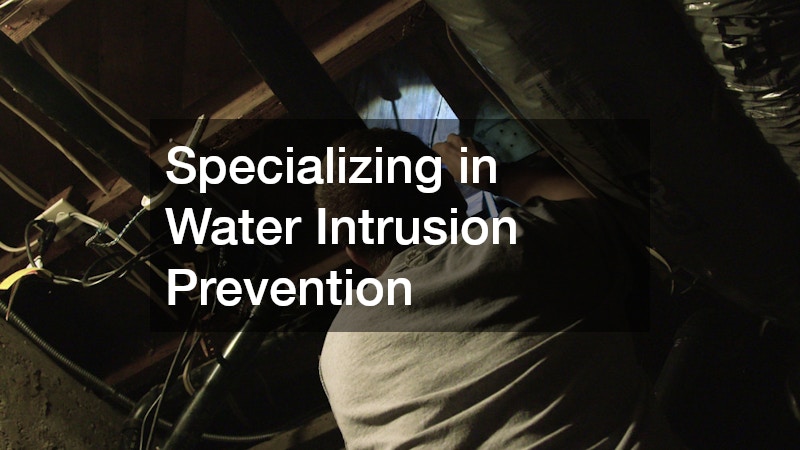
Water damage is one of the most common issues in residential properties, making moisture control a critical specialization in construction.
Professionals such as a waterproofing contractor focus on preventing water infiltration and protecting foundations and structures.
Core responsibilities include:
- Inspecting basements and foundations for leaks
- Installing waterproof barriers and drainage systems
- Repairing cracks and structural vulnerabilities
- Applying sealants and protective coatings
- Monitoring long-term moisture levels
Professional growth tips:
- Study building envelope systems
- Learn advanced sealing and membrane techniques
- Understand hydrostatic pressure and drainage behavior
- Gain experience in both indoor and outdoor waterproofing
This specialization plays a key role in preserving long-term property value.
7. Enhancing Property Boundaries and Outdoor Structure Work
Outdoor boundary systems are essential for privacy, safety, and property definition. Professionals in this field work on both functional and aesthetic installations.
This area includes fence contractors, who specialize in installing and maintaining property boundaries.
Key responsibilities:
- Installing wood, vinyl, and metal fencing systems
- Measuring and marking property lines accurately
- Repairing damaged or leaning structures
- Ensuring compliance with zoning regulations
- Customizing designs for residential needs
Career improvement strategies:
- Learn material durability differences
- Practice precision measurement techniques
- Study local property laws and regulations
- Develop strong client consultation skills
This field combines technical skill with design flexibility.
8. Expanding Knowledge in Environmental and Landscape Safety
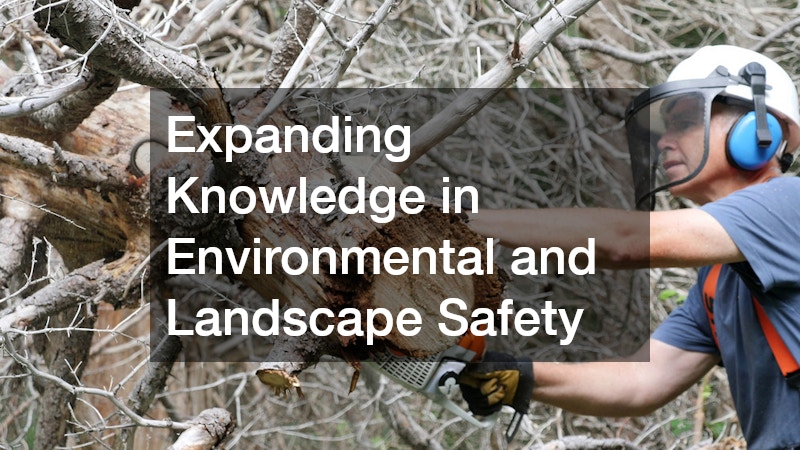
Tree care and environmental safety are important components of residential property maintenance. This work ensures safety while preserving natural surroundings.
Professionals such as tree contractors handle pruning, removal, and maintenance of trees near residential structures.
Core responsibilities include:
- Removing hazardous or dead trees
- Pruning branches near power lines or roofs
- Assessing tree health and stability
- Operating chainsaws and heavy equipment safely
- Preventing property damage from falling debris
Professional development tips:
- Learn arborist safety certifications
- Study tree biology and growth patterns
- Practice risk assessment techniques
- Understand environmental regulations
This field requires both physical skill and environmental awareness.
9. Designing and Building Outdoor Living Spaces
Outdoor living structures are increasingly popular in residential design, offering functional and recreational space for homeowners.
Professionals such as deck contractors specialize in constructing these elevated outdoor areas.
Key responsibilities include:
- Designing decks based on client specifications
- Calculating load-bearing requirements
- Selecting durable outdoor materials
- Constructing safe and stable frameworks
- Ensuring compliance with building codes
Career advancement tips:
- Learn structural engineering basics
- Study wood and composite material properties
- Practice precision carpentry techniques
- Develop strong design visualization skills
This specialization combines creativity with technical construction expertise.
10. Addressing Environmental Health and Property Safety
Indoor environmental quality is an important part of residential safety. One of the most critical issues in this area involves moisture-related contamination.
Professionals such as mold removal contractors focus on identifying and eliminating hazardous mold growth in residential properties.
Core responsibilities include:
- Inspecting homes for moisture and mold presence
- Testing air quality and contamination levels
- Removing affected materials safely
- Applying antimicrobial treatments
- Preventing future mold growth through remediation
Career development steps:
- Obtain environmental safety certifications
- Learn containment and removal procedures
- Study building ventilation systems
- Practice hazard identification techniques
This field is essential for protecting both property value and occupant health.
Careers in residential contracting services offer diverse opportunities for individuals interested in skilled trades, technical problem-solving, and hands-on work. Each specialization—from foundational construction roles to advanced leadership positions—plays a vital part in the overall building process.
By pursuing education, certifications, and hands-on training, professionals can develop long-term careers with strong growth potential. Whether focusing on structural systems, utilities, environmental safety, or project management, the industry provides multiple pathways for advancement and specialization.