In today’s fast-paced world, the dynamics of family structures have significantly evolved. Many parents are engaged in full-time employment roles while raising their children. This situation has led to an increasing demand for quality childcare solutions to support working parents. Childcare provides a structured and safe environment for children to learn and grow while parents fulfill their job responsibilities.
In essence, childcare has become an indispensable resource for modern families navigating the complexities of work-life balance.
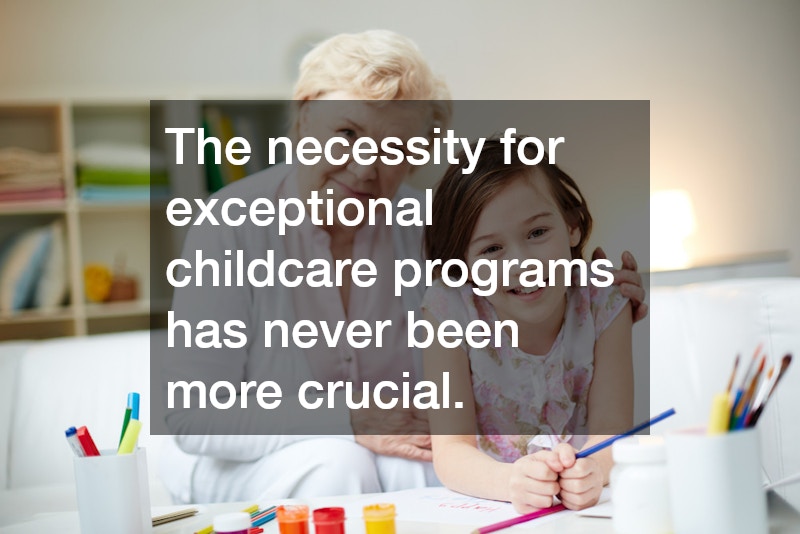
The necessity for exceptional childcare programs has never been more crucial. With parents often engaged in hectic schedules, childcare facilities offer a much-needed support system. These programs are tailored to cater to children’s developmental needs, ensuring they are well taken care of during parents’ work hours. Moreover, childcare centers are an essential service, allowing parents to pursue career advancements without compromising their child’s well-being. This underscores the importance of establishing trustworthy childcare institutions accessible to working families.
Childcare facilities are designed to provide not just care, but also educational enrichment. By engaging children in various developmental activities, childcare centers nurture both cognitive and social growth. Such establishments foster an environment where children can actively learn through play, exploration, and interaction with peers. The structured routine provided by childcare centers plays a significant role in a child’s early development. Thus, childcare becomes a beneficial avenue, ensuring that children receive comprehensive care while parents are at work.
The Economic Impact of Childcare on Families
For many working parents, the economic implications of childcare are a critical consideration. Having access to affordable childcare allows parents to participate more fully in the workforce. Consequently, this yields economic benefits not only for individual families but for society as a whole. By facilitating employment, childcare contributes to increased household income, which can be reinvested in further educational and developmental opportunities for children. Therefore, it serves as a pivotal factor in enhancing the financial well-being of families.
Additionally, investing in quality childcare acts as a prevention strategy against intergenerational poverty. By granting children of working parents access to early education and care, these programs play a significant role in leveling the playing field. Childcare centers often provide foundational skills and experiences pivotal for academic success as children progress into formal school settings. In areas like pre k Lake Worth, families benefit from accessible early childhood education programs that support long-term economic outcomes. Hence, childcare serves as a critical investment in both immediate and future societal prosperity.
The commuter benefits associated with childcare cannot be understated. Parents relieved of childcare obligations can prioritize job opportunities that better suit their career aspirations rather than those merely dictated by child-minding responsibilities. This flexibility, in turn, can lead to enhanced job satisfaction and career growth, contributing positively to the wider economy. Thus, childcare plays a vital role in not only supporting immediate family needs but also in promoting sustained economic development and stability.
Childcare and Child Development
Childcare centers play a formative role in boosting child development during the critical early years. These facilities offer structured yet flexible environments where young children engage in essential educational and social activities. Quality childcare provides children with exposure to fundamental cognitive and social skills, laying a strong foundation for future learning. As children interact with their peers and caregivers, they develop important communication abilities and social awareness. Therefore, childcare is a key contributor to nurturing well-rounded and capable future generations.
Moreover, childcare experiences significantly influence a child’s emotional and psychological development. Centers often implement age-appropriate curricula that focus on emotional intelligence, resilience, and cooperation. By positively influencing emotional growth, childcare helps children build confidence and self-worth from a young age. For example, in places like pre k Lake Worth, programs are designed to foster a supportive and stimulating atmosphere vital for early childhood development. Consequently, these experiences are instrumental in preparing children for their academic journeys and beyond.
Childcare enables children to explore their interests and talents in a multifaceted manner. Through diverse activities including arts, music, and physical play, children can express themselves and gain new skills. This holistic approach enriches a child’s experience, promoting creativity and critical thinking. Such environments not only cater to a child’s immediate learning needs but also encourage lifelong learning habits and curiosity. Hence, effective childcare nurtures the inherent potential within each child, preparing them for succesful educational and personal futures.
The Work-Life Balance Benefit of Childcare
Among the primary benefits of quality childcare is the promotion of a healthy work-life balance for parents. With trusted childcare options in place, parents can focus on their careers knowing their children are in a nurturing environment. This alleviates stress and allows parents to be more present and productive in their professional roles. By distributing time and energy effectively, working parents capitalize on both family life and career prospects. Ultimately, the assurance provided by reliable childcare plays a crucial role in maintaining this balance and parental well-being.
Childcare not only supports parents but also strengthens the familial bond. When parents have reliable child care, they return home less stressed and more emotionally available to their children. This enriched family dynamic contributes to healthier relationships and a more supportive home environment, which are beneficial for all family members. In regions with trusted facilities, like pre k Lake Worth, parents experience a profound sense of security and community support. Thus, childcare facilitates a dual-focus capability, enabling parents to excel in their roles at home and in the workforce.
The strategic structuring of time around work and family obligations becomes more manageable with dependable childcare. Parents are able to schedule their work commitments, social engagements, and even personal downtime without the pressure of conflicting obligations. The predictability and consistency of childcare services empower families to conceive and execute comprehensive daily routines. Accordingly, this systemic support enhances the quality of life for parents and children alike. In conclusion, childcare serves as an invaluable component in harmonizing personal and professional aspirations, ensuring a thriving family dynamic.